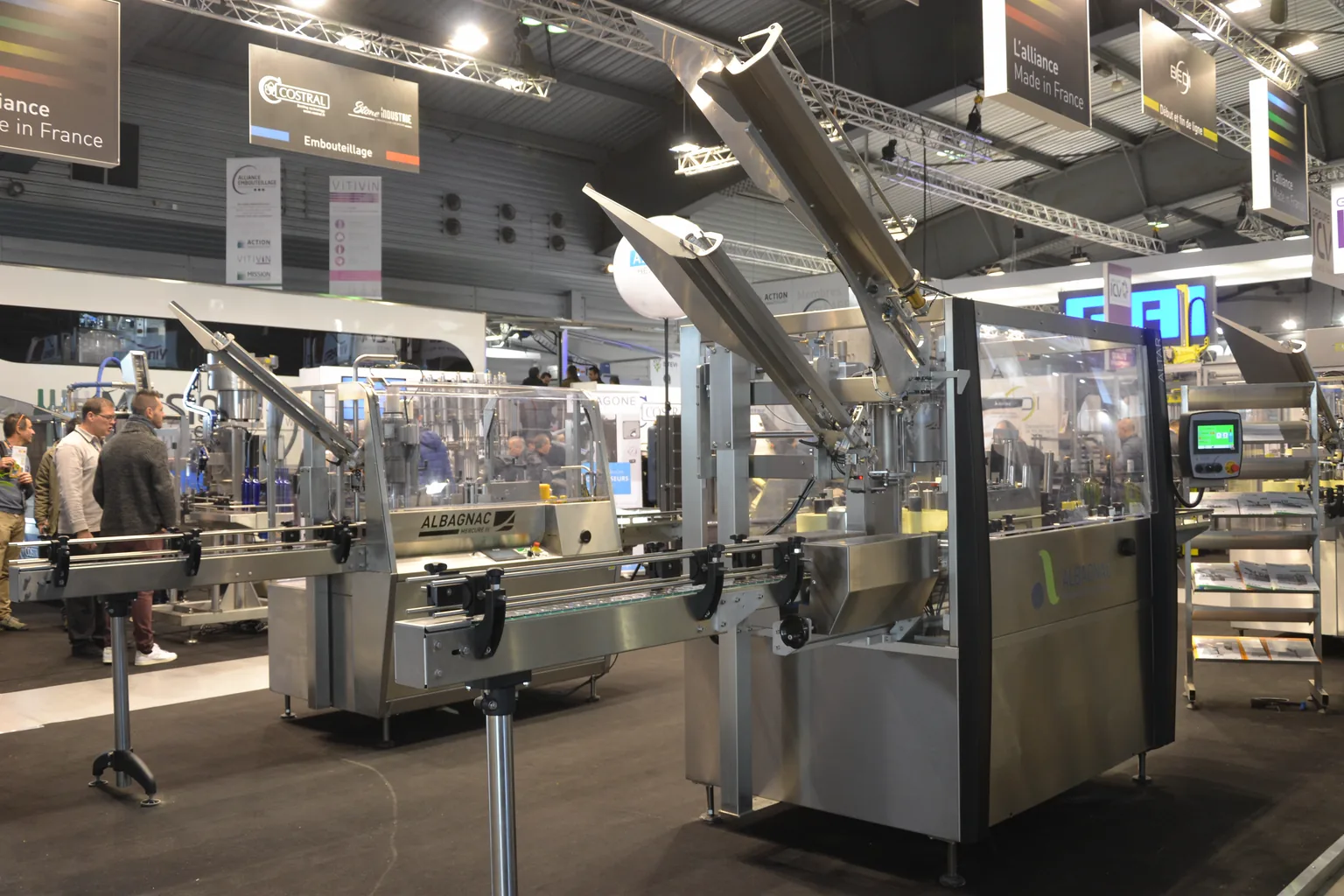
Define What the Factory Acceptance Test Must Prove
A packaging machine factory acceptance test, or FAT, is the buyer's structured opportunity to verify equipment before shipment. It confirms the agreed configuration, basic functions, representative package handling, safety-related responses and required documents. It does not replace final commissioning under the production plant's utilities and operating conditions.
The most useful FAT begins with a written protocol agreed before the machine is complete. The protocol should connect each test to a purchase specification, approved drawing or proposal statement. Vague objectives such as test the line or confirm good performance create different expectations. A measurable objective states the product, package, target rate, run duration, sampling method and pass criterion.
Separate shipment approval from final site acceptance. Some conditions can only be tested after installation, including the buyer's product supply, plant utilities, permanent conveyors, factory network and long production campaigns. Record these site acceptance items rather than forcing a short supplier-floor test to prove something it cannot represent.
Freeze the Tested Scope and Reference Documents
Create an equipment list that identifies every machine, conveyor, guard, control panel, inspection device and supplied change part inside the FAT scope. Match this list to the latest approved layout and electrical drawings. If optional items are not available for the test, record whether they will be installed before shipment, supplied loose or verified at site.
Document revision control matters because packaging projects change during engineering. The FAT team should know which bottle drawings, cap specifications, label layouts, recipes, interface lists and functional descriptions are current. Mark superseded documents clearly. A machine may run correctly against an old sample while failing to match the package that purchasing has finally approved.
For larger projects, give each important requirement an identifier, verification method and result. Use visual inspection, measurement or a functional challenge as appropriate. Traceability keeps open items visible and prevents an unstructured demonstration.
Send Representative Product and Packaging Materials
The test is only as realistic as the materials used. Supply production-representative bottles, caps, pumps, labels, films, cartons and product whenever practical. Include normal dimensional and material variation rather than hand-selected perfect samples. If multiple suppliers or cavities create meaningful differences, the test quantity should include that variation.
Agree who will provide each material, how much is needed and when it must reach the machine builder. Include extra quantity for setup, changeover and repeated tests. For products with temperature, viscosity, foaming or cleaning constraints, define storage and preparation conditions. When the actual product cannot be shipped, the buyer and supplier should approve a substitute and list the limits of any conclusions drawn from it.
Packaging materials should arrive with approved identification. Confirm label winding, core size and sensor marks; match closures to the production neck finish; and use cartons of the intended dimensions and board quality. Temporary materials should not become the basis for shipment approval.
Build a Test Matrix Around Real Production Modes
List every format that must be demonstrated and identify the risk of each. A line with many formats may not need a full-duration test for every size, but the smallest, largest, fastest, most unstable or most difficult packages deserve attention. Define which format proves maximum rate, which proves accuracy, and which proves changeover capability.
For each run, record setup values and starting conditions. The line should reach a stable operating state before performance data is collected. Count good finished units at the defined discharge point rather than relying only on an individual machine's cycle counter. Record planned stops, material replenishment and faults so that the result can distinguish machine capability from an interrupted demonstration.
Include normal and abnormal modes. Challenge no-bottle-no-fill, low-cap, missing-label, reject-bin-full and downstream-backup responses where included. Verify controlled restart and container handling through safe, planned tests.
Measure Product Quality and Machine Performance
Output rate alone does not prove acceptable production. Define the quality measurements that matter for the package: fill weight or volume, cap application, label position, code legibility, seal condition, carton count and reject accuracy. State the instruments, sample size, timing and acceptance limits before the run. Measurements taken only after a problem appears do not provide a fair baseline.
When fill accuracy is tested, control the variables that influence it. Record product condition, target quantity, container tare variation and the measuring method. For capping, distinguish application settings from later removal measurements. For labeling, inspect representative positions around the run rather than one attractive sample. The supplier and buyer should sign the data sheet or agree how electronic records will be stored.
Observe micro-stops and material flow as well as headline speed. Repeated jams, unstable containers or manual interventions can prevent sustained output. Record interruption causes and duration without treating every operator pause as a machine defect.
Verify Changeovers, Controls and Interfaces
A changeover test should follow the proposed operating method. Confirm that required change parts are present, identified and correctly stored. Record adjustments to guides, stars, nozzles, sensors, cap handling and label equipment. Recipes can reduce setup variation, but they should not hide mechanical positions or checks that still depend on the operator.
Review the human-machine interface for recipe selection, manual controls, alarm history, production counts and access levels included in the scope. Check emergency stops, guard switches and controlled recovery according to the approved safety concept and supplier procedure. The FAT should not encourage bypassing protective devices simply to keep a demonstration running.
For integrated lines, test the signal exchange between machines. Simulate upstream starvation, downstream backup, inspection failure and reject faults where safe. Confirm which machine commands the line speed and how accumulation is managed. If a third-party machine is absent, document the interface signals and the method that will be used to verify them during installation.
Inspect Documentation, Spares and Shipment Readiness
Documentation is part of the deliverable. Review operating and maintenance manuals, electrical and pneumatic drawings, parts lists, certificates included in the contract, software backups and approved layouts. Confirm the final language and file format. Preliminary documents can support FAT, but the punch list should show who will issue final revisions and by what date.
Count format parts, special tools, startup spares and consumables against the packing list. Check identification so that similar components can be matched to the correct machine and package. Photographing organized kits before packing can help the site team receive them, but photographs do not replace a signed inventory.
Before shipment approval, inspect cleaning, corrosion protection, loose-item packing and lifting or transport provisions. Sensitive instruments and protruding components may require removal or bracing. Record any work that must be completed after FAT and before dispatch, especially when crates will be closed without the buyer present.
Manage Deviations with a Clear Punch List
Not every observation requires shipment to stop. Classify open items by impact and evidence. A critical item may prevent safe or functional operation; a major item may affect agreed performance; a minor item may involve documentation, finish or convenience without blocking the intended test. The contract and project risk should determine the final categories.
Each punch-list entry needs a precise description, owner, required action, due date and verification method. Attach photographs or data where useful. Avoid entries such as machine needs improvement because they cannot be closed objectively. A better entry identifies the format, observed behavior and measurable result expected after correction.
Shipment approval should state which items are closed, which may be verified by evidence before dispatch and which are deferred to site acceptance. Both parties should retain the signed protocol, raw measurements and agreed exceptions. This protects the schedule without converting unresolved technical risks into informal promises.
Common FAT Planning Mistakes to Avoid
The most common mistake is treating FAT as a sales demonstration. A polished short run can look successful without testing format changes, alarms, reject handling or sustained output. Another mistake is arriving without an approved protocol, forcing commercial decisions to be made while the machine is waiting.
Buyers also create weak evidence when they bring too little product, use unapproved packaging or change acceptance limits during the test. Finally, do not leave documentation and spare parts until the end. A mechanically successful run does not prove that the site team can install, operate and maintain the equipment.
Packaging Machine FAT Buyer Checklist
Use this checklist when preparing the protocol, witness team and materials for a filling or packaging equipment factory acceptance test.
- Latest purchase specification, approved proposal, layout and functional description.
- Complete equipment, option, change-part, spare and documentation inventory.
- Representative product, containers, closures, labels, film and cartons.
- Test matrix covering critical formats, rated output, changeovers and abnormal modes.
- Written quality measurements, sample sizes, instruments and pass limits.
- Defined run duration, good-output counting point and stop-recording method.
- Control, safety-related function, alarm, rejection and interface challenges.
- Named witnesses, responsibilities, data sheets and evidence-retention method.
- Punch-list categories, owners, due dates and closure evidence.
- Shipment approval conditions and separate site-acceptance requirements.
Turn the FAT into a Reliable Shipment Decision
A useful factory acceptance test converts the purchase agreement into observable evidence. It uses representative materials, realistic operating modes, defined measurements and a disciplined punch list. The result is not merely a passed or failed machine; it is a clear record of what has been demonstrated, what remains open and what must be verified after installation.
DST can prepare an equipment and test proposal around your product, container, target output and destination market. Share the package samples, required line scope and acceptance priorities early so the FAT protocol can be aligned with the machine design instead of added only when the project is ready to ship.
Frequently Asked Questions
What is a factory acceptance test for packaging machinery?
It is a structured pre-shipment verification at the supplier that checks the agreed configuration, functions, representative production performance, documentation and open items against written acceptance criteria.
Should every package format be tested during FAT?
The test matrix should cover the highest-risk and boundary formats. A full-duration run may not be necessary for every similar size, but required change parts and untested assumptions should be recorded explicitly.
Can water replace the actual product during a filling machine FAT?
Water may support initial checks, but it cannot prove product-specific behavior such as viscosity, foaming, cutoff or cleaning. Any substitute and the limits of the resulting test should be approved in advance.
What happens when a packaging machine has open FAT items?
Record each item with its impact, owner, action, due date and verification method. Shipment approval should state which items must close before dispatch and which are deferred to site acceptance.
Discuss Your Filling Project
Share your product, container, target output and destination market. DST will review the application and recommend a practical filling and packaging configuration.
Request a machine recommendation