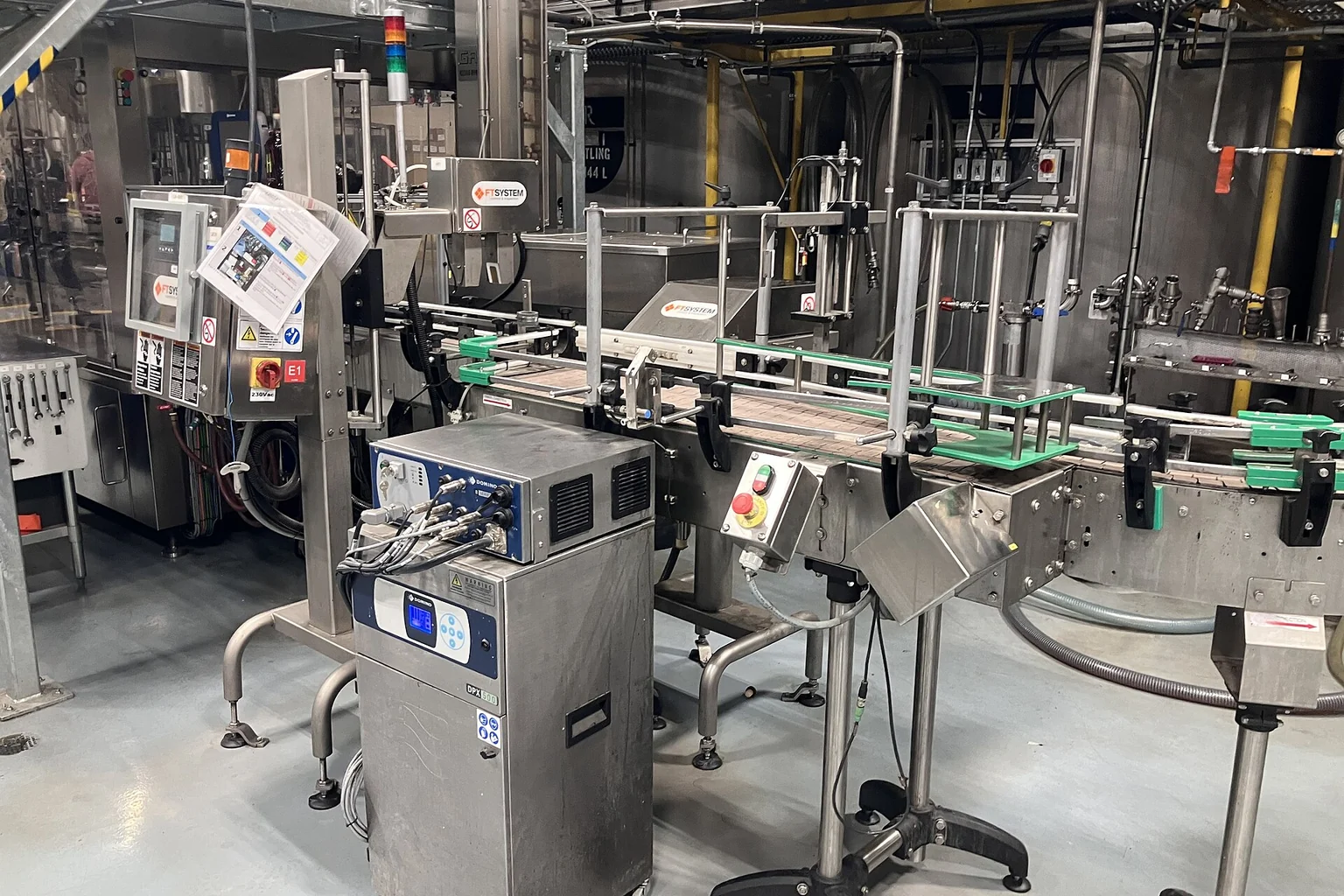
Define the Oil, Package and Production Objective
An edible oil filling line should be planned as one connected production system rather than a collection of individual machines. The filler may be the central process, but stable output also depends on product supply, empty-bottle handling, cap feeding, labeling, inspection, accumulation and case packing. A weak interface between any two stages can reduce the performance of the complete line.
Begin by listing every oil and package the line must handle. Record the normal product temperature, density range, tendency to drip, and whether different oils will share the same equipment. Provide physical samples of bottles, caps, labels, cartons and dividers. Drawings are useful, but samples reveal container flexibility, surface finish, dimensional variation and closure behavior that may not be visible in specifications.
The business objective should also be explicit. A line designed for one high-volume bottle can prioritize sustained speed, while a contract packer handling many formats may value fast changeover and recipe control. Define acceptable finished output per hour, shift pattern, expected efficiency, future package sizes and the amount of operator involvement the factory can support.
Design a Stable Product Supply System
Consistent filling begins before the product reaches the filler. The supply tank, transfer pump, pipe diameter, filters, valves and return path must deliver oil at a stable condition. Long pipe runs, undersized hoses or changing tank pressure can disturb flow and make an otherwise capable filler difficult to tune. The equipment supplier therefore needs the distance and elevation between the storage vessel and filling machine, not only the filler inlet size.
Oil temperature matters because it affects flow behavior and dosing. If the process includes heating, cooling or seasonal temperature variation, define the operating range and the controls used to maintain it. Avoid routing that creates unnecessary air pockets or product retention. Product-contact materials, seals and lubricants should be compatible with the oil and the plant's cleaning method.
For multi-product operation, decide how oil remaining in the tank and pipework will be recovered or flushed. A short product path can reduce changeover loss, but service access and safe disconnection remain important. Where allergen or identity preservation requirements apply, the cleaning and verification method must be agreed before the layout is frozen.
Select a Filling Method for Accuracy and Clean Cutoff
Edible oils are generally free-flowing, but the best dosing method still depends on fill volume, speed, package range and accuracy target. Flow-meter, pump and other volumetric systems are common options. The supplier should explain how the proposed system measures each dose, compensates for product conditions and adjusts individual filling heads during setup.
A clean cutoff is as important as the measured volume. Oil left on the bottle neck or sidewall can interfere with cap torque, label adhesion and case cleanliness. Nozzle design, suck-back control, filling height and the timing between dosing and bottle release should be tested with the actual product. A drip tray can contain occasional residue, but it should not be used to hide poor cutoff performance.
Specify accuracy as a testable range under real operating conditions. The factory acceptance test should state the oil, bottle, target volume, production speed, sample size, measuring method and pass criteria. Comparing machines by a headline accuracy figure is unreliable when suppliers have used different products or test procedures.
Control Bottles Before, During and After Filling
Lightweight PET containers can flex, tilt or become unstable as they move through a line. Conveyor width, guide-rail contact, transfer gaps and timing screws must suit the bottle body and neck. Large containers may also change shape as the cap is applied. Samples from normal production should be tested because laboratory samples may have less dimensional variation than purchased packaging.
The line needs enough spacing control to present one bottle correctly beneath each nozzle without damaging the container. No-bottle-no-fill logic helps prevent spills, while sensors should detect backed-up or fallen bottles before a minor disturbance becomes a long stop. If several formats share the line, clearly marked adjustments and stored recipes reduce dependence on operator memory.
Accumulation should be planned around real stoppages. A small buffer after filling can allow the filler to finish a cycle when the capper or labeler pauses. Too little accumulation transfers every short stop upstream; too much adds footprint and can create excessive container pressure. The final layout should show buffer locations and the expected line response during each downstream fault.
Integrate Capping, Labeling and Coding
Cap feeding and application must match the closure design. Confirm cap diameter, height, liner, thread and tamper-evident features. The capper should apply a repeatable closure without distorting the bottle or damaging the cap. If torque is a quality requirement, define how it will be sampled or inspected and how rejected containers will be handled.
Label selection affects both equipment and line environment. Pressure-sensitive labels require a clean, dry bottle surface and controlled presentation to the applicator. Wraparound or shrink labels require different handling modules. Provide the actual label roll direction, core size, gap, material and artwork position so the supplier can confirm sensing and application orientation.
Date, batch and traceability codes should remain readable after normal handling. Decide whether coding will be applied to the bottle, label, cap or outer case, and provide the required data format. The control system should coordinate coder readiness with line operation so unmarked products do not silently continue into finished packaging.
Add Inspection Where It Protects Saleable Output
Inspection equipment should address defined risks rather than being added as an isolated feature. Typical checks include cap presence, label presence, code verification, fill level or weight, and container rejection. The selected method must account for bottle transparency, label coverage, oil color and the variation expected from normal packaging materials.
A reject system needs more than a sensor. It should track the affected container, remove it positively, confirm successful rejection when required and provide a secure collection area. The line controls should define what happens if the reject bin is full or the reject confirmation fails. These details prevent questionable products from being mixed back into acceptable production.
Checkweighing can support net-content control, but tare variation in bottles and caps must be understood. The buyer and supplier should agree whether the system is used for process feedback, final compliance screening or both. Data storage and reporting requirements should be specified early if production records must connect to a plant system.
Plan Secondary Packaging and Factory Logistics
Finished bottles must reach the warehouse in a stable and clean condition. Decide whether operators will manually pack cases or whether the project includes case erecting, robotic or conventional case packing, sealing, conveying and palletizing. Bottle weight, case pattern and line speed determine whether manual packing is sustainable across a full shift.
Case specifications should include board quality, internal dimensions, closing method and any dividers or trays. A technically correct bottle count is not enough if the pack pattern damages labels or allows bottles to move excessively during transport. Trial cases should be available during acceptance testing whenever secondary packaging is inside the supplier's scope.
The layout must also leave space for materials and people. Include empty bottle delivery, cap and label replenishment, reject removal, cleaning access, spare parts, forklift routes and maintenance clearances. A compact drawing that ignores these activities often becomes inefficient once the line reaches the factory.
Avoid Common Edible Oil Line Planning Mistakes
One common mistake is setting every machine to the same theoretical maximum speed. Each stage experiences different micro-stops and replenishment needs, so balanced capacity and controlled accumulation matter more than matching catalogue numbers. Another mistake is testing the filler with water. Water can help with initial commissioning, but it does not prove oil cutoff, label adhesion or finished-container cleanliness.
Buyers should also avoid delaying package selection. Small changes to bottle stiffness, neck dimensions, cap liner or label material can alter equipment performance. Finally, do not treat utilities and environmental conditions as an installation detail. Confirm power, compressed air, drainage, product supply, ambient conditions and communication interfaces before shipment.
Edible Oil Filling Line Buyer Checklist
A complete request for quotation should give suppliers the same baseline information so proposals can be compared fairly. Include these items before asking for a final configuration and price.
- Oil types, density, operating temperature and product samples.
- Bottle, cap, label and carton samples with approved drawings.
- Fill-volume range, target tolerance and sustained finished output.
- Number of formats, expected changeover frequency and future sizes.
- Product tank location, supply pressure, pipe route and recovery method.
- Required capping, labeling, coding and inspection functions.
- Secondary packaging scope, pack pattern and pallet requirements.
- Factory layout, utilities, operator plan and maintenance clearances.
- Acceptance-test product, run duration, samples and pass criteria.
- Destination market, documentation, installation, training and spare parts.
Build the Proposal Around Testable Line Performance
A successful edible oil filling line proposal connects every process from product storage to the finished case. It explains the assumptions behind output, identifies package and utility limits, defines changeover responsibility and sets measurable acceptance criteria. This makes technical comparison clearer and reduces changes after the equipment has entered production.
DST can review your oil properties, package samples, target output, factory layout and destination market to prepare a practical line configuration. Share the actual bottle, cap and label whenever possible so filling, handling, closure and inspection requirements can be evaluated together rather than as separate purchasing decisions.
Frequently Asked Questions
Which filling method is suitable for edible oil?
Flow-meter, pump and other volumetric systems may be suitable depending on fill volume, speed, package range and accuracy requirements. The selected design should be tested with the actual oil and container.
Why should an edible oil filler be tested with real oil?
Real oil testing verifies dosing behavior, nozzle cutoff, bottle cleanliness, cap performance and label adhesion. A water test cannot represent all of these conditions.
What inspections are useful on an oil bottling line?
Common checks include fill level or weight, cap presence, label presence and code verification. The right combination depends on the package, quality plan and reject-handling requirements.
What information is needed for an edible oil filling line quotation?
Provide oil data, package samples, fill sizes, sustained output, layout, utilities, inspection needs, secondary packaging scope, destination market and acceptance-test criteria.
Discuss Your Filling Project
Share your product, container, target output and destination market. DST will review the application and recommend a practical filling and packaging configuration.
Request a machine recommendation