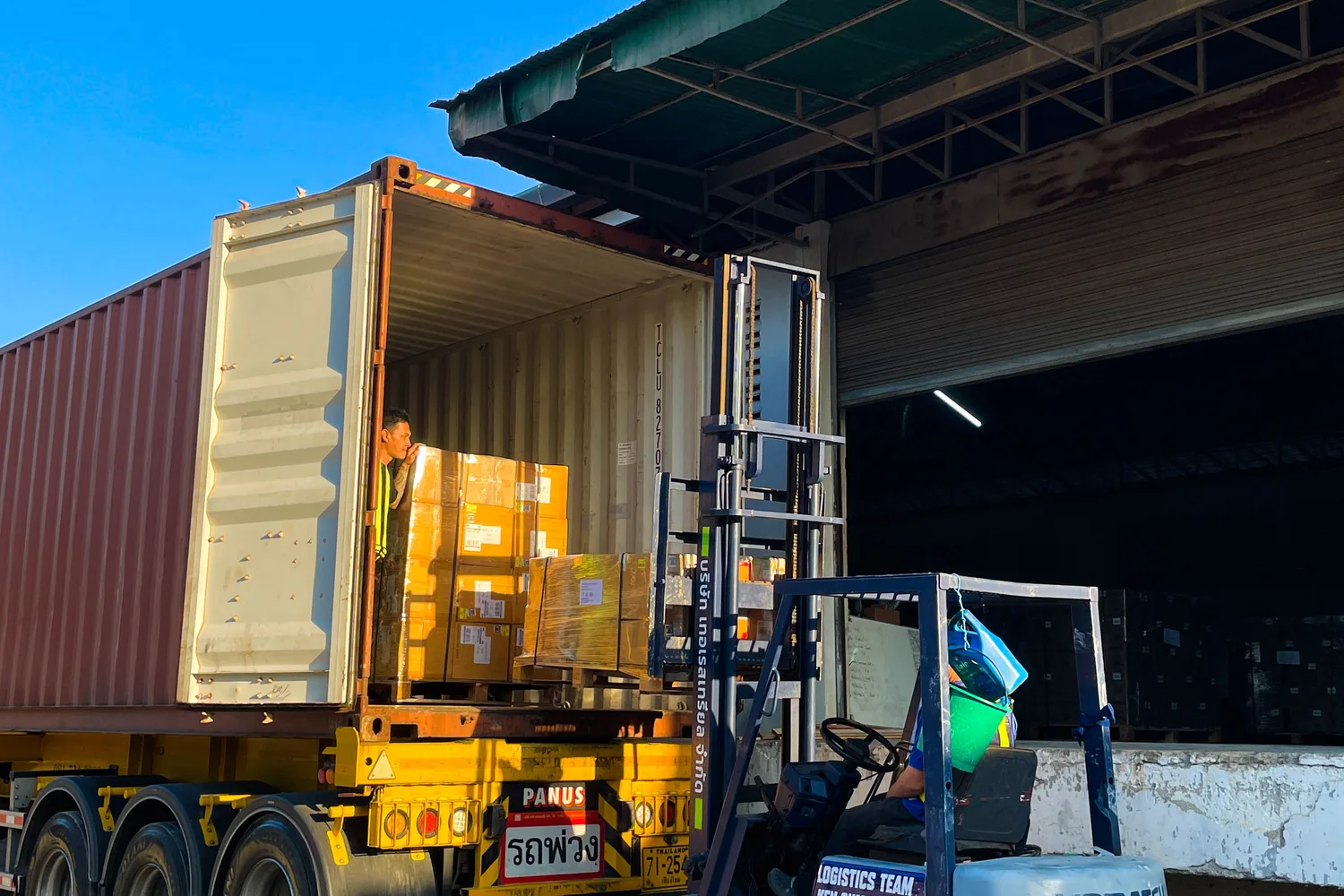
Define Delivery Scope Before the Machine Is Built
International shipping decisions should be made during procurement, not after the factory acceptance test. The buyer and supplier need a written delivery scope covering collection point, export packing, inland transport, terminal handling, main carriage, insurance, customs responsibility, final unloading and movement into the production area.
Identify who appoints each service provider and who carries the risk and cost at every handover. Record the agreed Incoterm with its named place and version in the contract, then confirm that the commercial quotation matches it. A short trade term cannot replace a detailed responsibility matrix for complex machinery.
Build a Complete Shipment Inventory
Create a packing inventory that connects every machine, conveyor, electrical cabinet, change part, tool, spare and loose accessory to a package number. Include dimensions, net weight, gross weight and handling points for each item. The inventory should match the equipment list and make shortages visible before the shipment leaves the factory.
Separate items needed immediately for installation from long-term spares or consumables. Clearly identify cables, sensors, mounting hardware and format parts that could otherwise appear interchangeable. Photographs taken before closing each case help the buyer understand the contents and provide evidence if a package is damaged or incomplete on arrival.
Choose Export Packing for the Route and Storage Period
Packing must address lifting, vibration, impact, moisture, salt exposure, dust and the expected storage period. A light pallet may be suitable for protected domestic movement but not for repeated international handling. The supplier should design skids, cases or crates around the machine's mass, center of gravity and approved support points.
Protect machined surfaces, electrical enclosures, motors, instruments and loose components with suitable wrapping, barriers and corrosion-control methods. Secure moving assemblies and remove or support vulnerable projecting parts. If wood packaging is used, confirm destination requirements with the freight forwarder and ensure required marks and treatment evidence are available.
Design Safe Lifting and Handling Points
Every package should show gross weight, center-of-gravity information where necessary, lifting points, sling restrictions, upright direction and handling warnings. Forklift pockets and crane points must match the actual packed load. Do not assume warehouse staff can identify a safe lifting location through opaque wrapping or a closed wooden case.
Prepare a lifting sketch for heavy or unbalanced equipment and state the required forklift capacity, fork length, crane capacity and lifting accessories. The destination team should receive these details early enough to reserve appropriate equipment. An undersized forklift or improvised sling can damage both the machine and the facility.
Select the Container and Loading Arrangement
Compare the packed dimensions and weights with the internal dimensions, door opening, payload and loading method of the proposed container or vehicle. Tall equipment may require partial disassembly or a different equipment type. Oversized cargo can also change port handling, inland permits, route planning and cost.
Develop a loading plan showing package positions, weight distribution, blocking, bracing and access for unloading. Keep critical cabinets and delicate items away from avoidable impact risk. Secure packages to prevent movement while ensuring that restraints do not load fragile guards or panels. Record the packed condition, loading sequence and final restraint arrangement with photographs.
Coordinate Factory Acceptance with Shipment Release
Close factory acceptance actions before packing whenever possible. The buyer should know which deviations are complete, which documents remain open and whether software backups, test records and approved settings have been delivered. Shipping a machine does not automatically mean that unresolved performance issues have been accepted.
After testing, protect validated settings during disassembly. Label disconnected cables, air lines, sensors and conveyor interfaces so the destination team can restore them correctly. The packaging machine factory acceptance test guide provides a framework for connecting measurable evidence, open items and formal shipment release.
Prepare Accurate Shipping and Customs Documents
Document requirements vary by route and destination, so the buyer should involve a freight forwarder or customs broker early. Common documents may include the commercial invoice, packing list, transport document, certificate of origin when applicable, insurance evidence and other product- or country-specific declarations.
Descriptions, quantities, values, weights, package numbers and tariff classifications should be reviewed for consistency. Avoid vague descriptions such as machine parts when the broker needs an accurate equipment description. Resolve questions before cargo reaches the terminal because corrections during clearance can create storage charges and delivery delays.
Define Insurance and Damage Evidence
Clarify which party arranges cargo insurance, the insured value, covered route, exclusions and claim procedure. Delivery terms and insurance are related but not identical. The buyer should understand when risk transfers and whether the chosen coverage continues through final delivery or stops at an earlier handover point.
Create evidence at dispatch and receipt. Photographs should show the machine before wrapping, internal protection, closed package, external marks, container condition and seal number. On arrival, inspect for holes, water marks, impact, broken restraints or missing packages before moving items. Preserve packaging and notify the responsible parties promptly if damage is suspected.
Plan Destination Unloading and Internal Movement
International delivery is not complete when the container reaches the factory gate. Confirm road access, vehicle turning space, dock or ground-level unloading, door dimensions, floor loading and the route to the installation area. Measure narrow points and height restrictions against the packed machine, not only the assembled footprint.
Schedule the required crane, forklift, rigging team and supervision. Decide where packages will be staged and protected if installation cannot begin immediately. The packaging machine site preparation guide helps buyers coordinate utilities, foundations, access and production-area readiness before equipment arrives.
Inspect and Control the Shipment on Arrival
Compare package numbers and quantities with the packing list before opening cases. Record external condition and any seal discrepancy. Open packages in a controlled area, following lifting and unpacking instructions, and check the equipment against the shipment inventory. Small loose parts should be transferred immediately to labeled storage.
Look for moisture, corrosion, displacement, damaged connectors, bent guards and evidence that restraints moved in transit. Do not energize equipment simply to see whether it works when visible damage or water ingress is present. Quarantine affected items, preserve evidence and coordinate technical inspection and claim actions before repair.
Protect Stored Equipment Before Installation
If commissioning is delayed, follow the supplier's storage instructions. Control humidity, temperature, dust, sunlight and access as appropriate. Maintain corrosion protection and keep electrical cabinets sealed or conditioned as specified. Outdoor storage under a loose cover is rarely equivalent to the protected conditions assumed by export packing.
Track preservation tasks by package and date. Some motors, bearings, batteries, seals or control components may need periodic inspection or special storage treatment. Before installation, confirm that protective materials are removed correctly and that lubricants, desiccants or shipping restraints do not remain where they could affect operation.
Avoid Common Machinery Shipping Mistakes
Common mistakes include booking transport before packed dimensions are confirmed, omitting loose accessories from the inventory, using unreadable labels and assuming the destination has suitable unloading equipment. Buyers also encounter delays when invoice descriptions, weights and package counts do not match across documents.
Do not treat export packing as a cosmetic wooden cover. Internal restraint, moisture control, lifting design and documented contents are equally important. A low freight quotation can become expensive when it excludes terminal charges, special handling, final unloading, customs support or the equipment needed to reach the installation area.
International Packaging Machinery Shipping Buyer Checklist
Use this checklist before authorizing packing and dispatch.
- Agreed Incoterm, named place and responsibility matrix.
- Final package count, dimensions, net weight and gross weight.
- Numbered inventory covering machines, tools, spares and accessories.
- Approved export packing, corrosion protection and internal restraints.
- Marked lifting points, center of gravity and unloading instructions.
- Container selection, loading plan, blocking and bracing evidence.
- Closed factory-test actions, software backups and shipment release.
- Consistent invoice, packing list and required customs documents.
- Cargo insurance scope, risk transfer and claim contacts.
- Destination route, rigging equipment, storage and installation readiness.
- Arrival inspection, shortage reporting and damage-evidence procedure.
Plan Shipping as Part of the Packaging-Line Project
A successful international shipment connects commercial scope, packing engineering, logistics, customs, handling and installation. Clear package identification and evidence at each handover reduce uncertainty when a machine travels through several organizations before reaching the production floor.
When requesting a packaging-line proposal, share your product, container formats, target output, destination market and delivery location. DST can review filling, capping, labeling, inspection and conveyor equipment together with export packing, shipment documentation and installation preparation to propose a practical project scope.
Frequently Asked Questions
Who is responsible for shipping packaging machinery?
Responsibility depends on the sales contract and agreed Incoterm with its named place. Buyers and suppliers should still create a detailed matrix for packing, collection, carriage, insurance, customs, unloading and internal movement.
What information is needed before booking a container?
Confirm final packed dimensions, gross weights, package count, lifting method, center of gravity, loading equipment and destination unloading plan. Preliminary machine dimensions may not represent the shipment after crating or disassembly.
How should machinery be checked after international delivery?
Record container and package condition before movement, compare package numbers with the packing list, inspect for impact or moisture and verify all contents. Preserve evidence and avoid energizing visibly damaged equipment until it is assessed.
Can packaging machines remain in export crates before installation?
Only under conditions and for a period compatible with the supplier's preservation instructions. Long delays may require controlled storage, renewed moisture protection and periodic inspection of sensitive components.
Discuss Your Filling Project
Share your product, container, target output and destination market. DST will review the application and recommend a practical filling and packaging configuration.
Request a machine recommendation