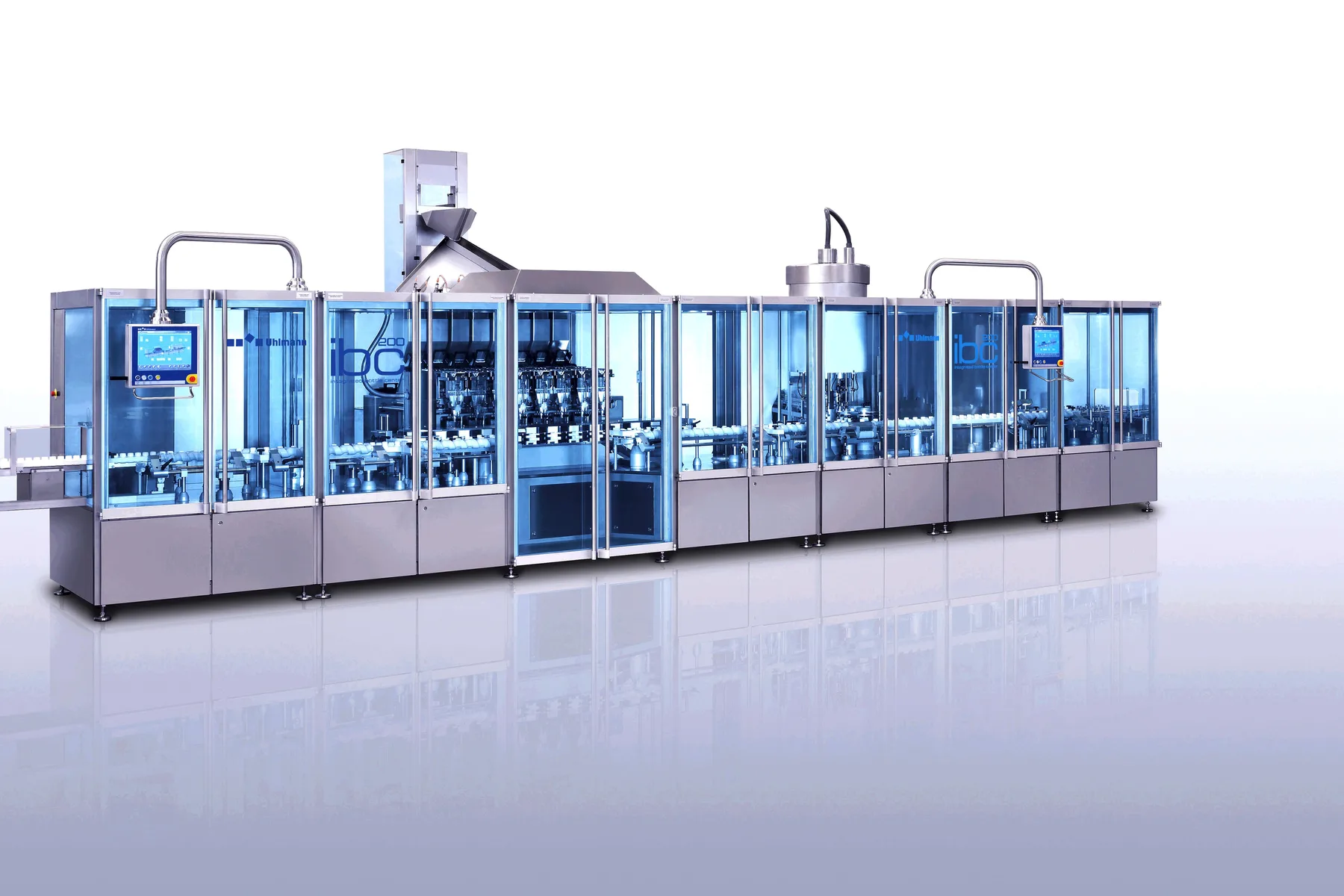
Define the Product and Packaging Process First
A pharmaceutical bottle packaging line should be designed from the dosage form outward. Record whether the product is a tablet, hard capsule, softgel or another solid format, together with its dimensions, shape, coating, fragility, dust level and tendency to generate static. Also define the approved count per bottle, allowable product loss and any special handling limits. Representative samples from normal production are more useful than ideal samples because small variations can change feeding and counting behavior.
Map the complete process before comparing individual machines. A typical line may include bottle unscrambling, cleaning or air rinsing, counting, desiccant insertion, cotton insertion where required, capping, induction sealing, labeling, coding, inspection, rejection and case packing. The exact sequence depends on the approved pack specification. Suppliers should quote against that sequence so important transfer conveyors, controls and validation support are not discovered after purchase.
Create a Container and Closure Matrix
List every bottle, cap, liner and label combination planned for the line. Include bottle material, volume, height, diameter, neck finish, weight, color and dimensional tolerances. For caps, record the closure type, diameter, height, thread or snap geometry, liner construction and torque requirements. Physical samples from the intended packaging suppliers should be used for trials because nominal drawings do not always show molding variation, ovality or surface behavior.
Build a change-parts matrix that identifies which guides, stars, chucks, funnels, belts and sensors are required for each format. Ask which adjustments are tool-free, which are recipe controlled and which depend on operator judgement. A line that accepts many bottle sizes can still lose substantial availability if changeovers require lengthy trial-and-error setup. The matrix should also identify future sizes so the original layout leaves room for reasonable expansion.
Select Bottle Unscrambling and Infeed Handling
The bottle infeed must deliver stable, correctly oriented containers without scuffing, deformation or excessive accumulation pressure. Compare rotary unscramblers, centrifugal systems and other feeding concepts against bottle shape and required output. Lightweight plastic bottles may be sensitive to static or side pressure, while short or wide bottles may behave differently at transfers. Confirm hopper capacity, refill ergonomics, low-level alarms and how operators remove incorrect or damaged containers.
From the unscrambler to the counter, conveyor guides should support the bottle without trapping it. Review dead plates, gaps, curves and accumulation zones using the smallest and least stable format. Line controls should slow or stop upstream equipment before bottles pile up at a downstream fault. A balanced accumulation strategy protects containers and avoids repeated stop-start cycles that can reduce effective output.
Match the Counting System to the Dosage Form
Electronic counting systems commonly separate product into channels, detect individual units and discharge the programmed count into each bottle. The feeder, channel geometry, sensor technology and discharge timing must suit the actual tablet or capsule. Products that overlap, bounce, create dust or carry static can be harder to count consistently. Ask the supplier to explain how the system detects blocked channels, broken pieces and product flow interruptions.
Define count performance with an agreed sampling method rather than a headline accuracy statement alone. The acceptance plan should cover normal product, representative batches, the lowest and highest counts and the required sustained output. It should describe how undercounts, overcounts, empty bottles and suspected sensor faults are identified and rejected. Product recovery and reconciliation procedures also need to fit the buyer's quality system.
Plan Desiccant, Cotton and Other Inserts
Some packs require a desiccant canister or sachet, while others use cotton or another insert to limit product movement. Treat these devices as part of the controlled line rather than optional accessories. Confirm insert dimensions, supplier tolerances, feed orientation and the available headspace after the product count. The insertion point must avoid damaging tablets or interfering with the cap and seal.
Specify presence detection and reject logic for every required insert. The system should distinguish a missing insert from a sensor or feed fault and should prevent affected bottles from continuing as acceptable product. Review safe replenishment, access for clearing jams and changeover between insert sizes. If no insert is required for some products, the bypass state should be deliberate, recipe controlled and visible to the operator.
Engineer Capping Around the Closure System
Cap feeding, placement and tightening should be evaluated as one process. The feeder must orient caps without damaging liners or tamper-evident features. Bottle stabilization is important while the cap is applied, particularly with lightweight containers. Choose chuck, spindle or other capping technology based on the closure design, output and required control rather than assuming one method suits every format.
Define the torque measurement method, sampling frequency and acceptable range with the packaging and quality teams. Excessive torque may deform components or make the pack difficult to open, while insufficient torque can affect seal integrity. The line should detect missing or raised caps and route rejects into a controlled, verified collection point. Review the bottle capping machine guide when comparing closure handling and changeover options.
Integrate Induction Sealing and Seal Inspection
When the closure uses an induction liner, the cap, liner, bottle neck and induction sealer form a single packaging system. Confirm material compatibility and determine the operating window with production components. The sealer must have appropriate coil geometry, power control, conveyor speed coordination and cooling. A successful trial should evaluate the finished seal after it has stabilized, not only the appearance immediately after heating.
Define how the line responds to missing foil, stalled bottles, low power and other relevant faults. Depending on the application, the inspection strategy may include cap-height checks, foil detection or destructive samples performed under the quality plan. The induction sealing machine selection guide provides additional questions about liner compatibility, operating window and verification. Leave enough conveyor space for stable bottle presentation and any required cooling before inspection or labeling.
Choose Labeling, Coding and Verification Together
Labeling performance depends on container geometry, label stock, adhesive, surface condition and application speed. Provide approved label drawings and production rolls for testing. Round bottles may use wraparound labeling, while other shapes can require different application and stabilization methods. Confirm label placement tolerances, seam position and whether transparent labels or containers affect sensor selection.
Coding and verification should be designed around the information that must appear on the finished pack. Define code location, content source, print method and readability criteria. If vision inspection is required, state which errors it must detect, such as missing labels, incorrect position, absent code or mismatched data. Recipe and line-clearance procedures should reduce the risk of running packaging components from the previous batch.
Design Inspection and Reject Control as a System
Each inspection device needs a clear purpose, validated challenge method and reliable reject path. Possible checks include bottle presence, product count status, insert presence, cap condition, induction foil, label, code and weight. More sensors do not automatically create a better line; the useful system is one that detects defined risks and produces evidence that the affected bottle was removed.
Review reject confirmation, bin-full monitoring, locked reject storage and access control. The line should respond safely if a reject device, sensor or collection bin is unavailable. Define how rejected bottles are identified, reconciled and dispositioned. A checkweigher can provide an additional gross-weight check, but its capability must be assessed against normal variation in bottles, caps, labels and product rather than assumed to replace direct count control.
Run Representative Factory Acceptance Tests
The factory acceptance test should use approved or representative tablets or capsules, bottles, caps, inserts, liners and labels. Test the smallest, largest and most difficult combinations, not only the easiest format. Verify startup, normal running, replenishment, changeover, count control, cap application, sealing, labeling, coding, inspection, rejection and recovery after stops. Record settings, samples, alarms, rejects and open actions.
Challenge tests should be agreed in advance and performed safely. Examples may include missing bottles, interrupted product flow, absent inserts, missing caps, incorrect labels or a blocked downstream conveyor. The packaging machine factory acceptance test guide can help structure evidence and responsibilities. Site acceptance should then confirm the line with final utilities, operators, procedures and surrounding equipment before routine production release.
Pharmaceutical Bottle Packaging Line Buyer Checklist
Use this checklist to compare complete-line proposals on the same basis.
- Representative product samples, dimensions, fragility, dust, static and count range.
- Bottle, cap, liner, insert and label drawings plus production-quality samples.
- Required process sequence, line layout, utilities and responsibility boundaries.
- Count acceptance method, reject logic, product recovery and reconciliation procedure.
- Cap torque, induction seal and label or code acceptance criteria.
- Inspection challenges, reject confirmation, locked collection and fault response.
- Sustained accepted output for every critical product and container combination.
- Cleaning, containment, line clearance and documented changeover requirements.
- Control access, recipes, data retention, interfaces, backups and remote-support rules.
- Factory and site acceptance tests, documentation, training and open-item closure.
Build the Line Around Verifiable Requirements
A dependable pharmaceutical bottle packaging line is not a collection of fast machines. It is a controlled process in which containers, counting, inserts, closures, sealing, labeling, inspection and data handling work together. The strongest procurement specification uses representative components and measurable acceptance criteria, giving engineering, production and quality teams the same definition of success.
For a line recommendation, share the dosage form, bottle and cap samples, required count range, target accepted output and destination market. DST can review the feeding, counting, inserting, capping, sealing, labeling, inspection, conveying and secondary-packaging scope and prepare an integrated configuration for technical discussion.
Frequently Asked Questions
What equipment is normally included in a pharmaceutical bottle packaging line?
The scope may include bottle unscrambling, cleaning, tablet or capsule counting, desiccant or cotton insertion, capping, induction sealing, labeling, coding, inspection, rejection and case packing. The approved pack specification determines which stages are required.
How should counting performance be tested?
Use representative product and an agreed sampling plan across the important count ranges and operating conditions. Acceptance should cover undercounts, overcounts, broken pieces, blocked channels, rejects and sustained line output.
Why should production packaging components be used during acceptance testing?
Actual bottles, caps, liners, inserts and labels reveal dimensional and material behavior that drawings or convenient substitutes may not show. They provide a more reliable basis for change parts, process windows and inspection settings.
Is the fastest machine always the best choice for the line?
No. Buyers should compare sustained accepted bottles at the line discharge for each critical format. Counting time, container stability, inserts, capping, sealing, inspection and changeovers can limit practical production output.
Discuss Your Filling Project
Share your product, container, target output and destination market. DST will review the application and recommend a practical filling and packaging configuration.
Request a machine recommendation